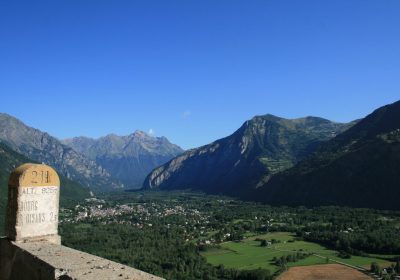
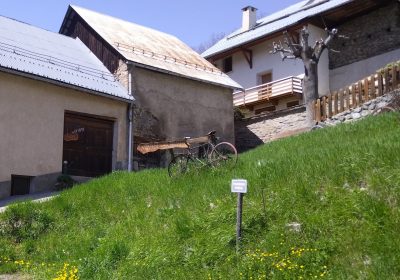
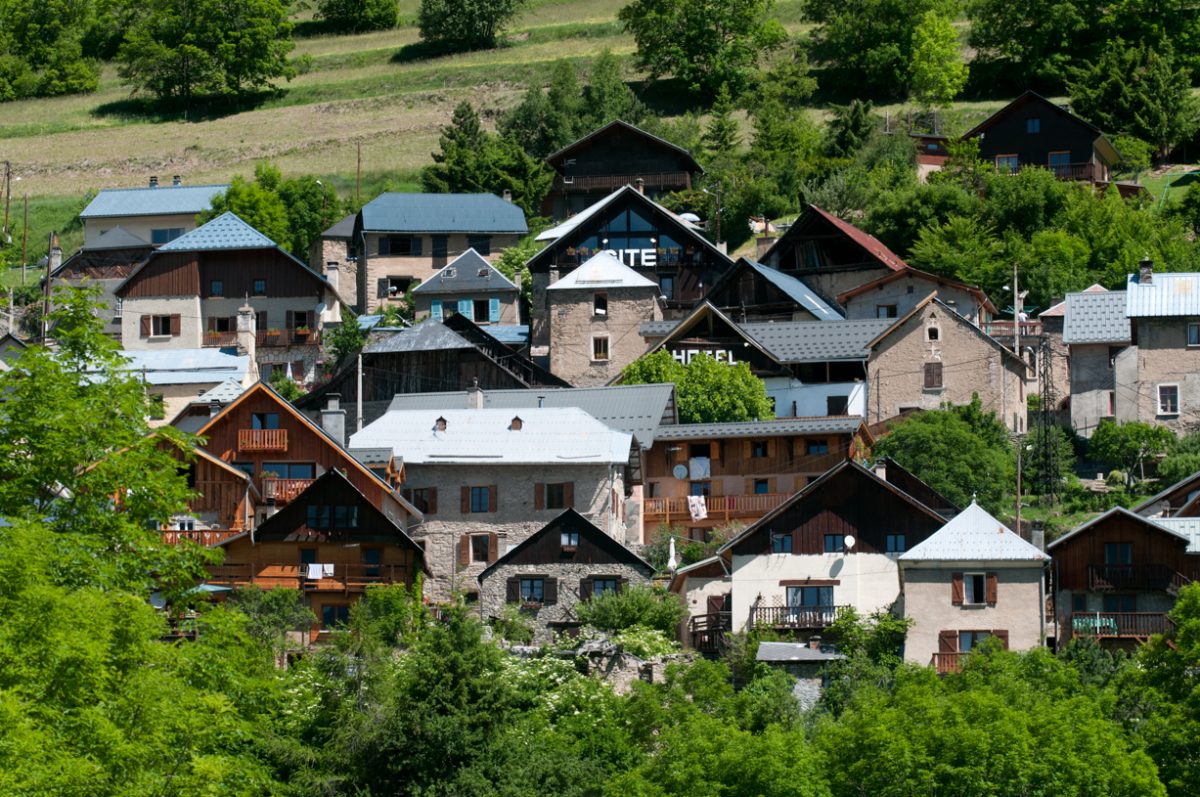
Auris-en-Oisans, the ‘Eagle’s Nest’ of the Aurienchons*, stretches from 720 to 2,176 metres and comprises ten traditional hamlets and a ski resort. Its natural and cultural heritage can be discovered through unspoilt landscapes, local traditions and craftsmanship.
*Aurienchons: inhabitants of Auris-en-Oisans
Natural Heritage
Piégut Spruce Forest
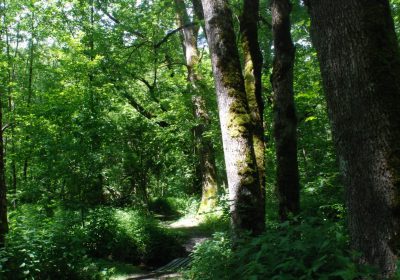
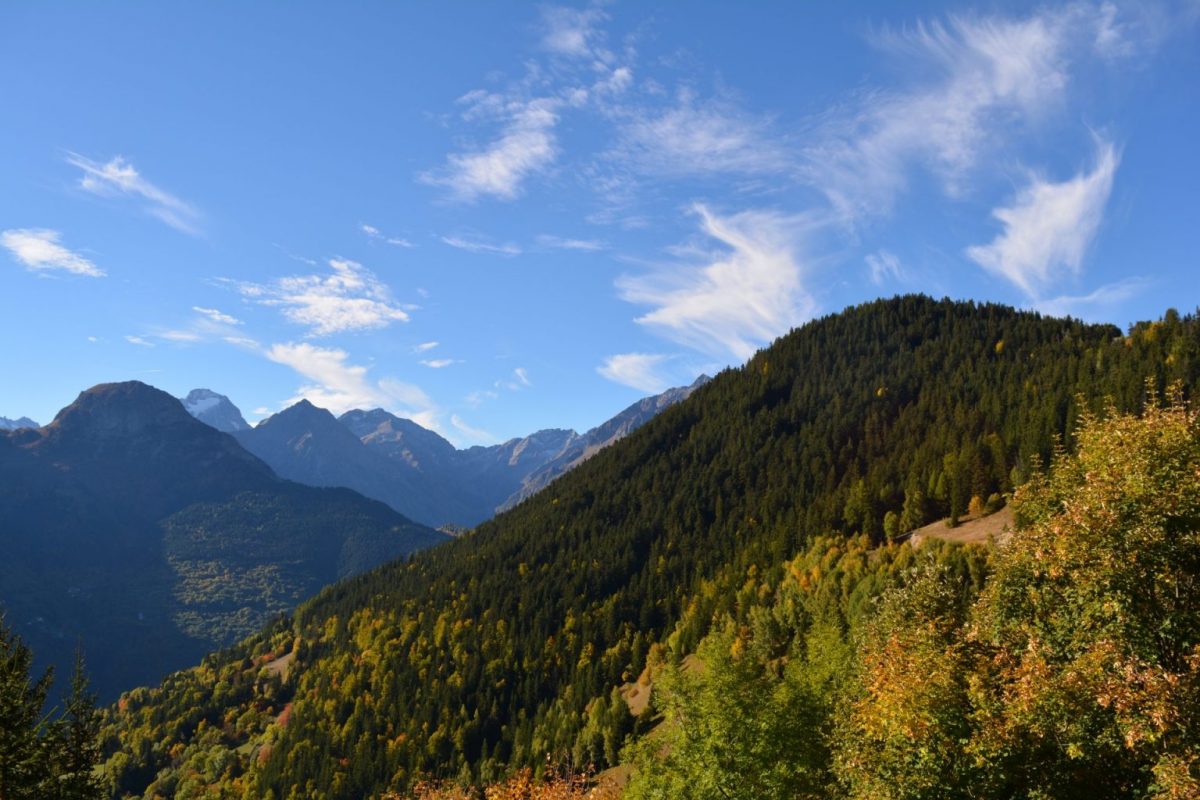
Bordering the resort, the Piégut Forest is the highest spruce forest in southern Europe, at an altitude of between 1,400 and 1,764 metres. Classified in 1973 for seed harvesting, this 46-hectare forest is mainly home to spruce trees, but also fir trees, Scots pines, larch trees and a few deciduous trees that colour the landscape in autumn. It is also home to a rare and protected plant, symbolising the site’s botanical richness.
The forest plays an essential role: it protects roads and hamlets from erosion and avalanches, supports forestry activity, is home to a variety of wildlife (roe deer, foxes, badgers, mountain birds and even the occasional chamois) and is a popular hiking destination in all seasons.
La Rochette Plateau
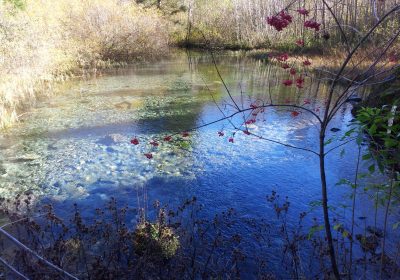
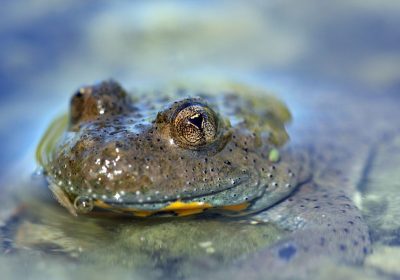
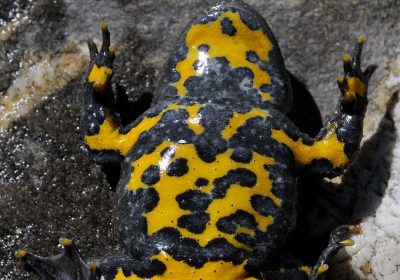
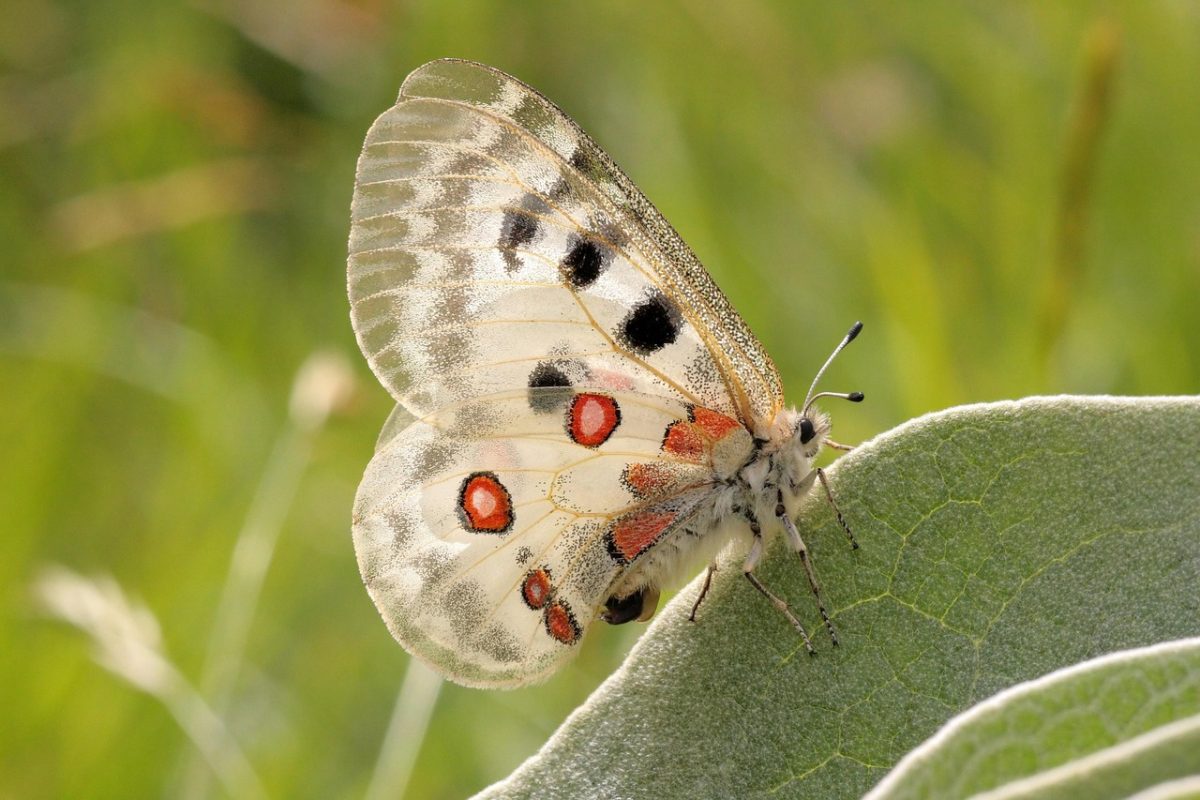
Located on the north face of Auris-en-Oisans, in the municipality of La Garde, the peat bog of the La Rochette plateau covers 3 hectares at an altitude of 1,800 metres, at the foot of Montagne de l’Homme. Fed by a stream and a spring, its 25-hectare basin creates a unique para-peat environment in the Grandes Rousses massif. Classified as a ZNIEFF (Natural Area of Ecological Interest, Fauna and Flora), it is home to protected plants and remarkable fauna, including the common frog and the Apollo butterfly. The plateau remains untouched by skiing activities in winter, and in summer, hikers and mountain bikers are asked to stay on the trails to protect its fragile flora. From this site, there is a splendid view of Alpe d’Huez and the Grandes Rousses peaks, which rise to over 3,000 metres.
Pastoralism
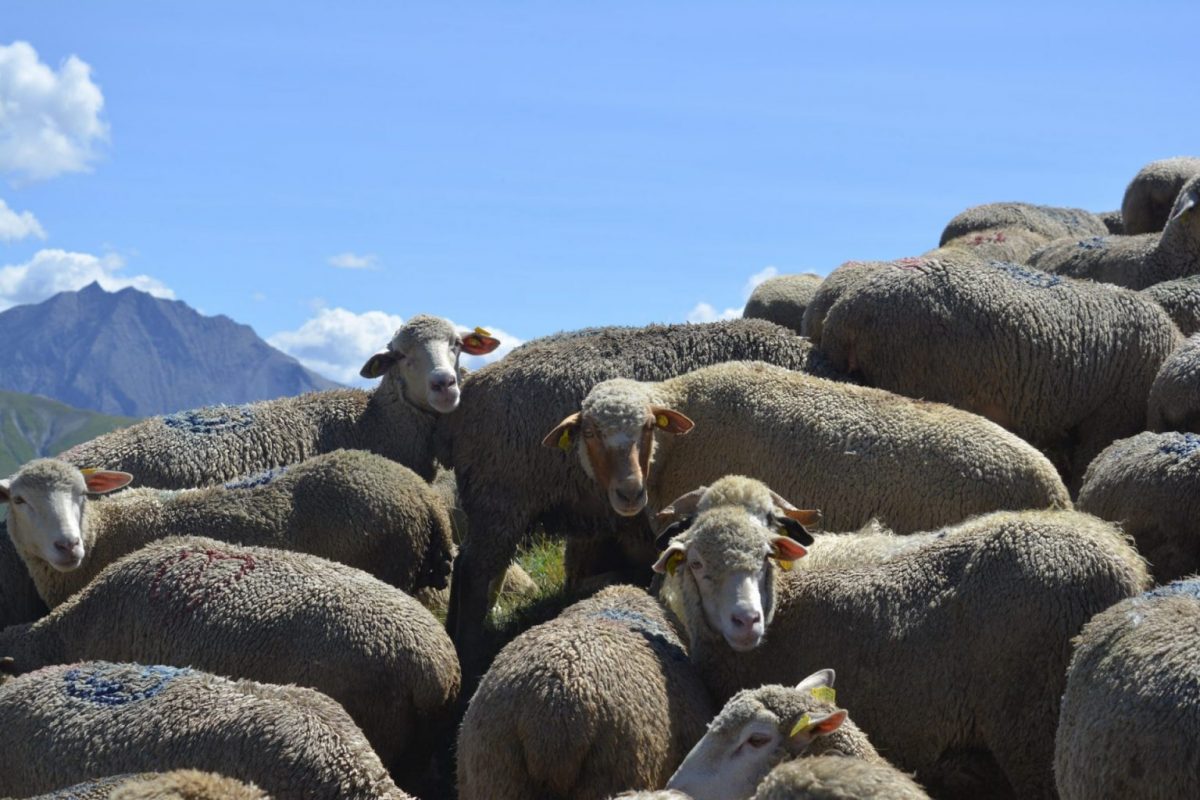
Pastoralism is an ancient tradition in Auris-en-Oisans, perpetuated by shepherd Baptiste. Every summer, from May to September, he drives more than 2,000 sheep from the La Crau plain around the Montagne de l’Homme. Much more than just feeding the flocks, pastoralism maintains the soil, limits scrub encroachment, preserves sensitive environments and prepares the areas that will become ski slopes in winter. In the mountains, every element of the landscape contributes to the fragile balance of the ecosystem: wolves regulate herbivore populations and promote biodiversity, while patou dogs watch over the flocks, ensuring harmonious coexistence between pastoralism and wildlife.
Cultural Heritage
History of Auris-en-Oisans
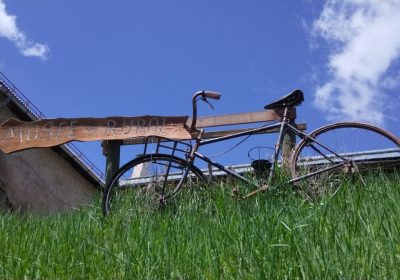
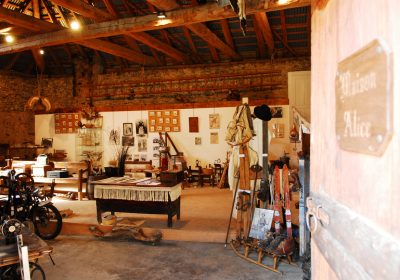
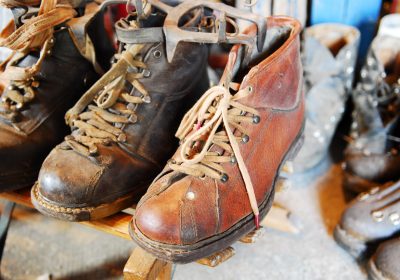
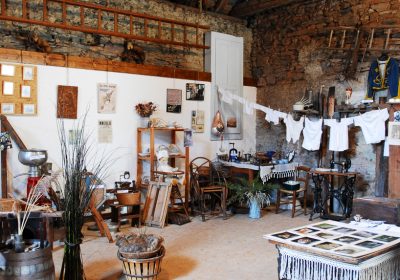
The first traces of Auris-en-Oisans date back to ancient times, as the village is located near the Roman road between Turin and Vienne. Until the 19th century, agriculture dominated in Auris, with the cultivation of rye, wheat, beetroot and cabbage, as well as pastures for hay. The inhabitants lived off a diverse economy, with carpenters, blacksmiths, shoemakers and peddlers selling plants and light objects throughout France. From the 19th century onwards, rural depopulation affected the village. By 1968, Auris had only 144 inhabitants and a single farmer. In the 1970s, the creation of the Auris resort ‘Les Orgières’ with its first tourist accommodation marked the beginning of a new era for the commune. The ecomuseum located in the hamlet of Les Cours traces this history.
Architectural heritage
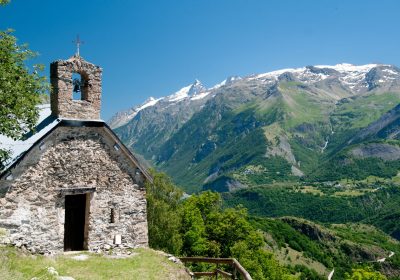
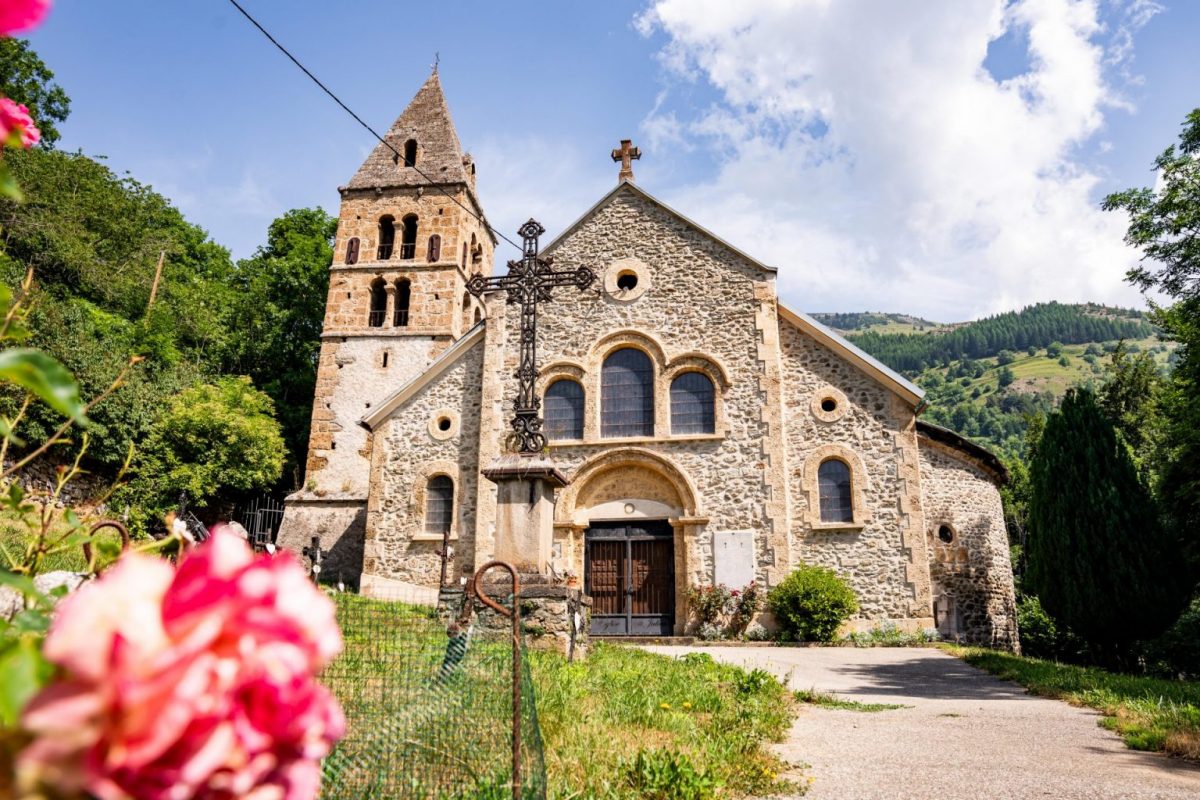
The Saint-Géraud Chapel, first mentioned in 890, is Auris’s oldest religious building and marks the beginning of its rich architectural heritage, which continues with the thousand-year-old Saint-Julien Church (1076) and the chapels in the hamlets, such as Saint-Antoine in La Balme, Notre-Dame de Pitié and Saint-Ilipse in Cluy. Oratories and fountains, landmarks and meeting places, still dot the landscape. Historic trails such as the Chemin du Facteur and the Chemin de la Cheminée recall the demanding journeys of the Aurienchons of yesteryear and today allow visitors to discover the commune through its history and landscapes.
Traditions and culture
Every year, the people of Auris perpetuate the traditions that punctuate life in Auris.
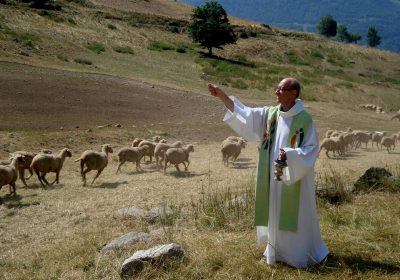
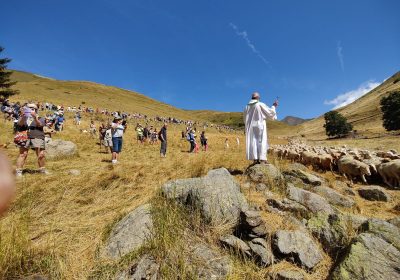
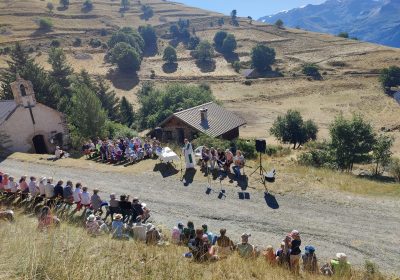
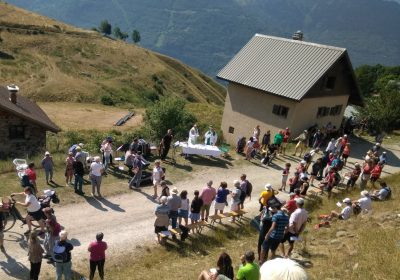
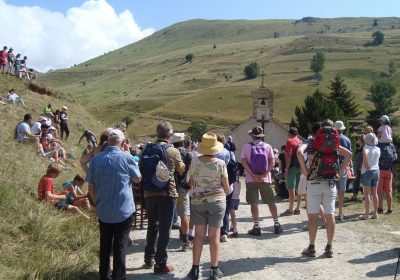
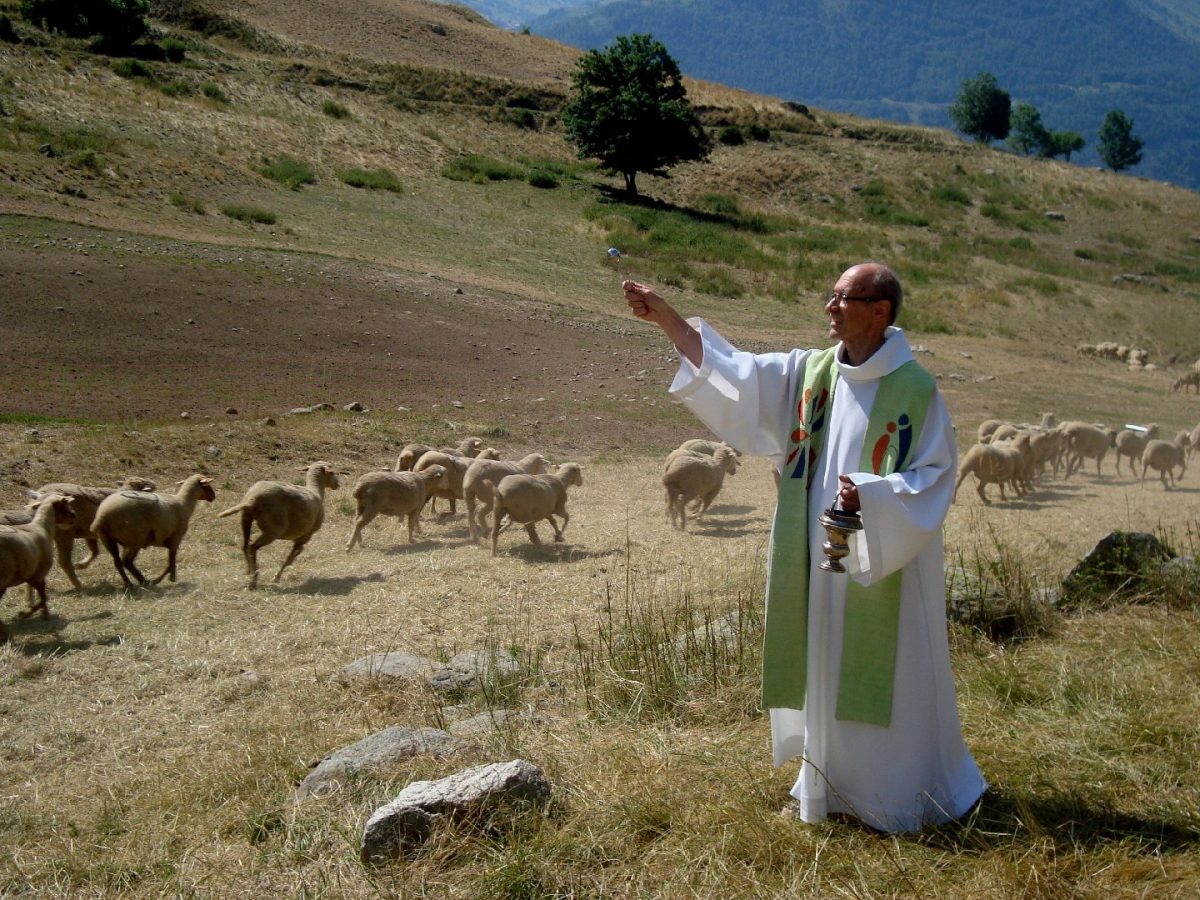
In the hamlet of Cluy, shepherds bring their flocks up to the mountains from May to September. Since 1755, on the third Sunday in July, locals and visitors gather for the Blessing of the Flocks: after mass at the chapel, everyone heads to the sheep park to sing and share a special moment, which is now more convivial than religious. Today, the Aurienchons association works to restore, maintain and promote this heritage, and every summer organises a festival in the hamlets with local dishes and a festive atmosphere.
A few weeks later, the August Festival also brings the town to life with a craft market, car boot sale, entertainment, traditional meals and a public dance.
The “Route des Savoir-Faire” (Route of know-how)
Auris-en-Oisans stands out on the Route des Savoir-Faire in Oisans thanks to its three local producers. Craftsmanship and quality products combine to reveal the character and richness of the region. These three establishments offer direct sales and are open to visitors
Les Cueillettes de Maline*
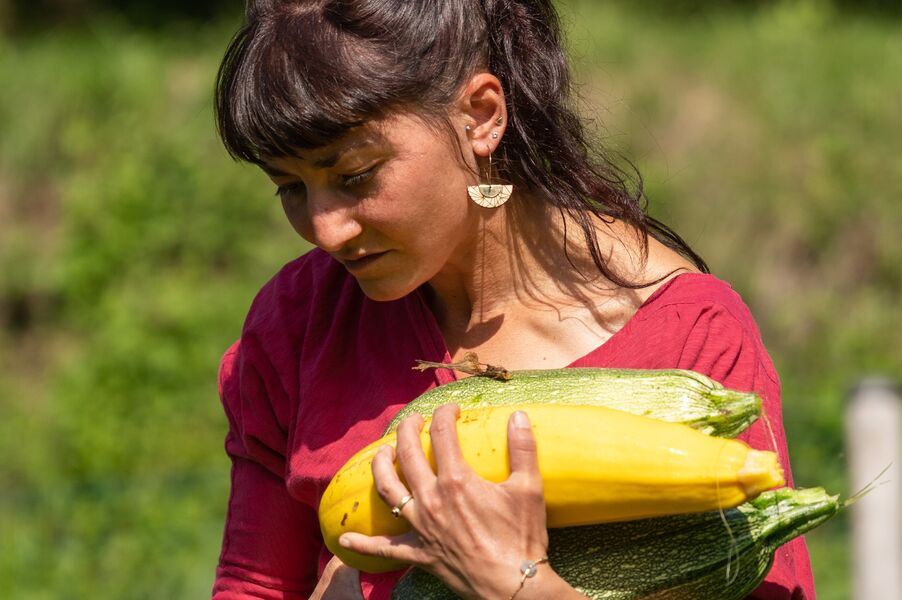
Marie-Aline grows vegetables, condiments and aromatic plants, which she transforms into flavourful homemade products. Available at local markets and shops, her delicious creations are sure to delight your taste buds.
*Maline’s harvest
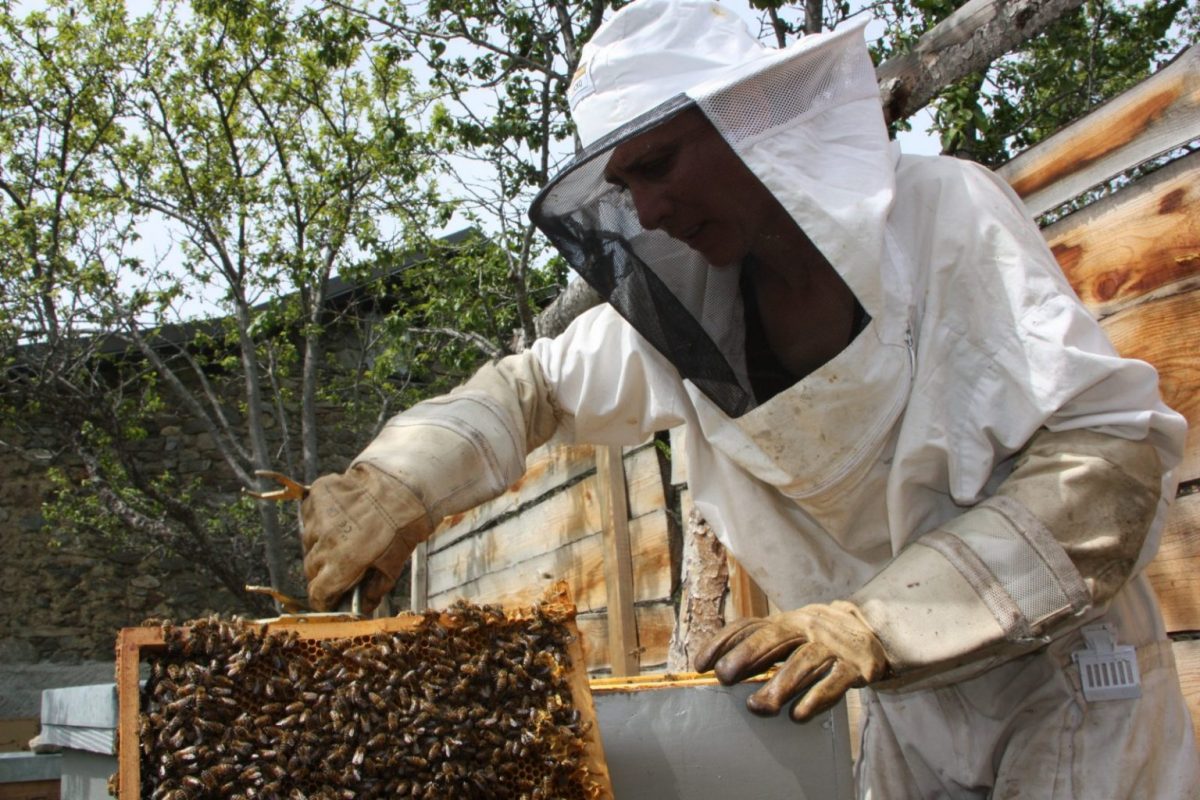
Anne Mangin
Anne Mangin is passionate about keeping bees and growing saffron. Her honey, syrups and jams reflect local, sustainable and certified expertise, and can be found at markets and directly from the producer.
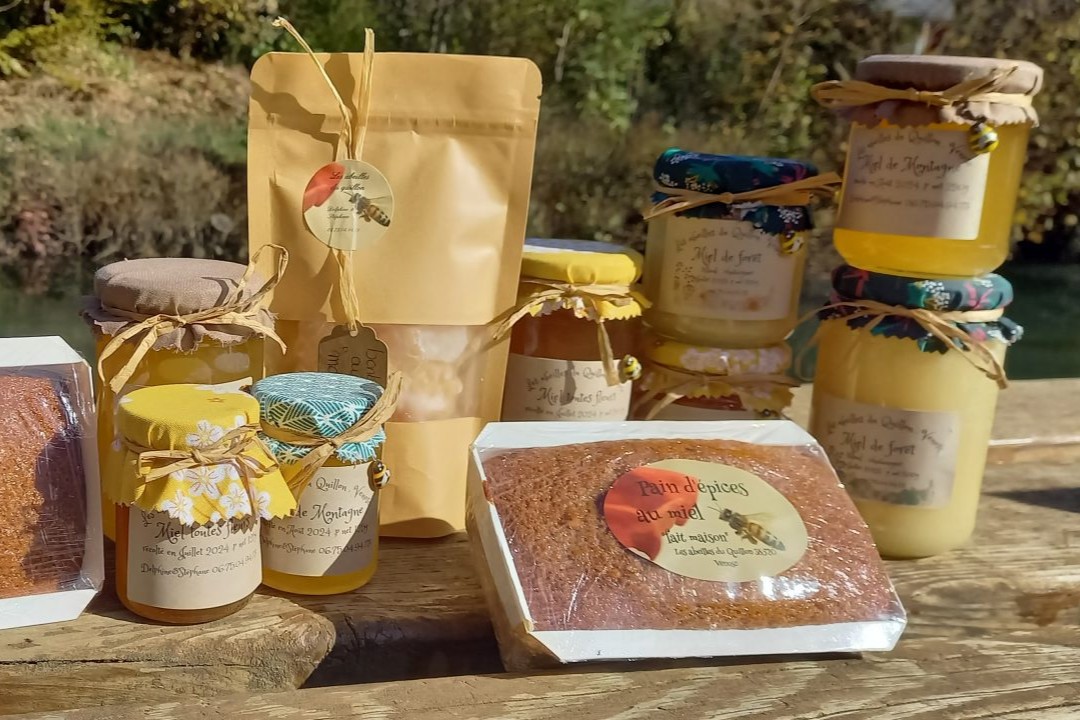
Les abeilles du Quillon*
Delphine and Stéphane offer honey and artisanal products at Le Clapier-d’Auris, near Bourg-d’Oisans: sweets, gingerbread and beeswax candles, the fruits of their passion for beekeeping.
*The Quillon’s Bees
To find out more about the Oisans know-how, visit Oisans.com!
Discovering heritage
Explore the heritage of Auris-en-Oisans through a selection of must-see sites and events. Click on each one to find out more.